

Murray Greaves
Chief Cattle Raiser & Regenerative Lead
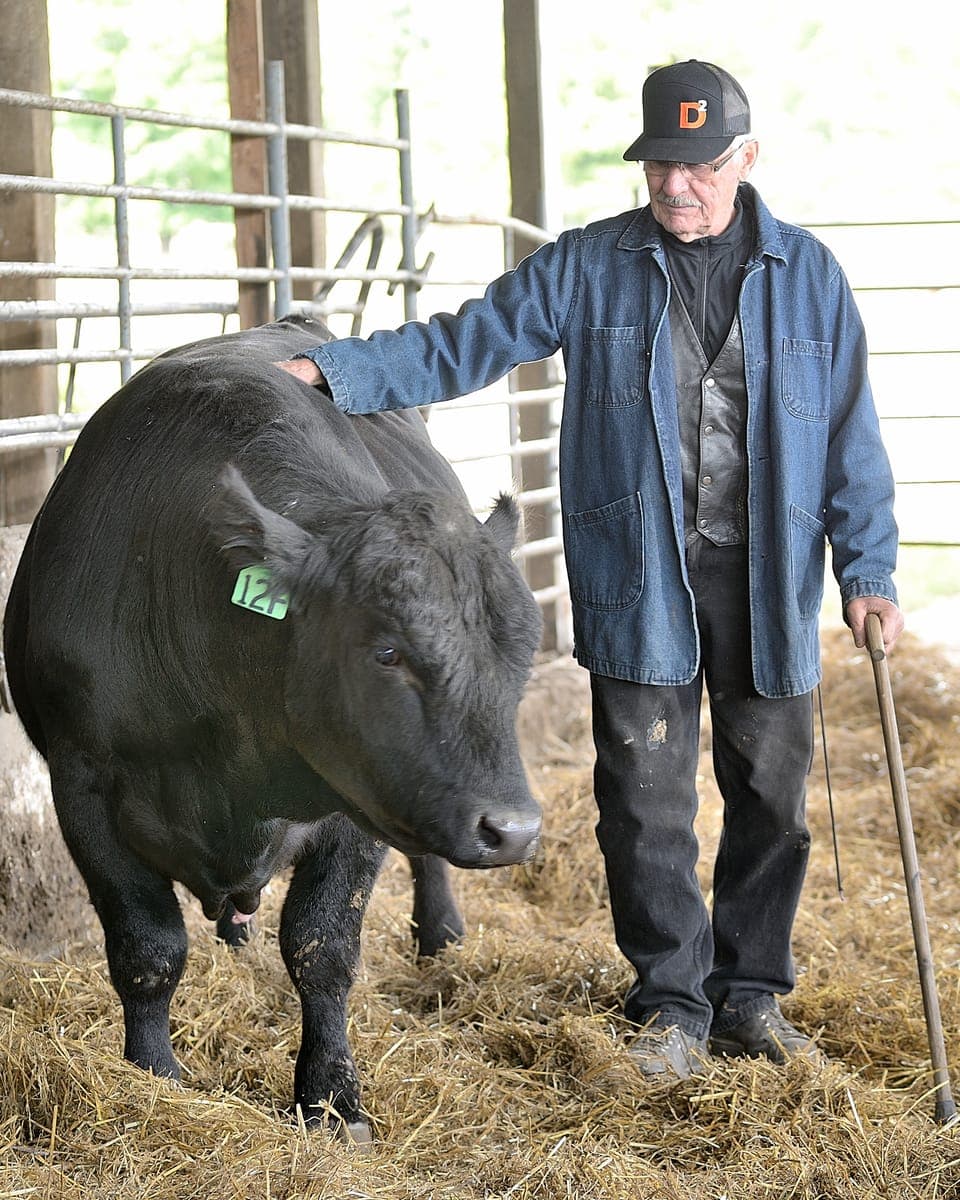
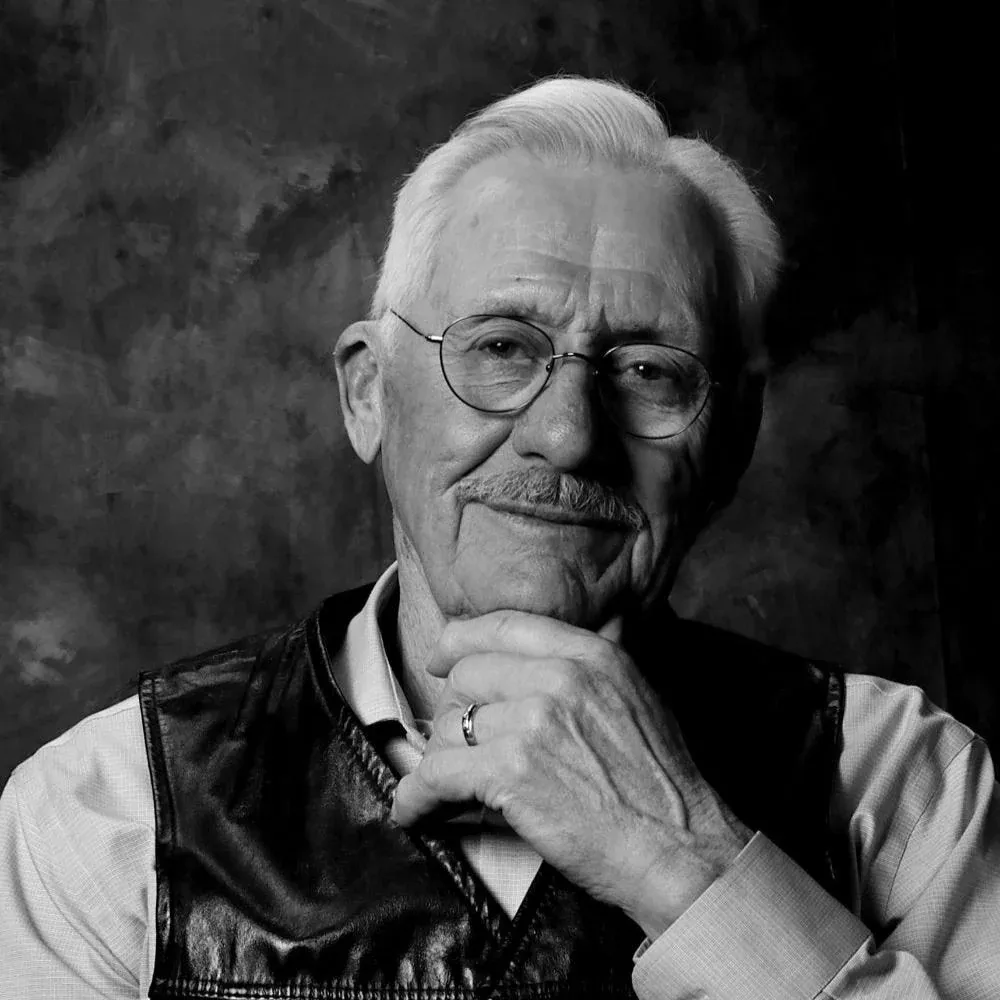
Murray works the herd and the land, moving the cattle to fresh pasture every day, gently, the way it should be done. No hormones, no antibiotics. The animals are handled daily, with kindness.
Our story
The Greaves family, on the same stretch of Oro-Medonte, Ontario, farming the way this land asks to be farmed.
We’re not marketers, we’re farmers. The real deal.
Photo: Archive photograph of the farm’s four-horse working team in the fields at Oro-Medonte
1876
The family settles this stretch of Oro-Medonte, Ontario, nine years after Confederation, and starts farming it. It has not changed hands since.
Photo: Archive photograph of the farm’s four-horse working team in the fields at Oro-Medonte
Six generations
The Greaves family works the same land, generation after generation. That is long enough to learn that the land pays you back in the exact coin you pay it.
Photo: Archive photograph of Uncle Marshall plowing with a four-horse team on the family land
Today
Black Angus cattle rotated through some thirty pastures and moved gently to fresh grass every day. Pasture-raised laying hens. Honey from our own hives. A creamery with sheep-milk products coming soon.
Photo: The Black Angus herd with new calves on spring pasture at 1876 Heritage Farms
Every week
We keep the farm shop open and the kettle on. This store is for the people who cannot make it out to us in person: orders close Sunday night, we pack Wednesday, and boxes land Thursday, on the same weekly rhythm the farm has always kept.
Photo: Black Angus cattle grazing in the morning fog at 1876 Heritage Farms
In our own words
The Greaves family has farmed this stretch of Oro-Medonte, Ontario since 1876. Six generations have worked the same fields, long enough to learn that the land pays you back in the exact coin you pay it. Take care of the soil and it takes care of the cattle. Take care of the cattle and they take care of the table.
Our mission is simple: bring ethically raised, grass-finished beef to families seeking to revitalize their lives with whole, nutrient-dense foods. No hormones, no antibiotics. The animals are handled every day, with kindness. We're not marketers, we're farmers. The real deal.
The farm today is run by the family. Murray Greaves, our Chief Cattle Raiser and Regenerative Lead, works the herd and the land. Tracee Greaves-Cohen, our Head of Operations, runs everything that gets the farm's food from our fields to your table.
We call ourselves a heritage farm, but there's nothing precious about it. It means we still do the slow things: Black Angus cattle raised on rotating pasture, eggs gathered by hand from pasture-raised hens, honey pulled from hives that sit at the edge of our own fields, and a creamery with sheep-milk products coming soon. It also means we're accountable in a way a label can't be. Our name has been on this gate since Canada was nine years old, and everything we sell either came off this land or we're proud to put our name beside it.
We keep the farm shop open, and if you're ever nearby, farm pickup is the best way to meet us; the kettle is usually on. This store is for the people who cannot make it out to us in person. Orders close Sunday night, we pack on Wednesday, and boxes go out for Thursday delivery, the same weekly rhythm the farm has always kept.
The family
The same family on the same land since 1876, and the two people who run it today.
Chief Cattle Raiser & Regenerative Lead
Murray works the herd and the land, moving the cattle to fresh pasture every day, gently, the way it should be done. No hormones, no antibiotics. The animals are handled daily, with kindness.

Head of Operations
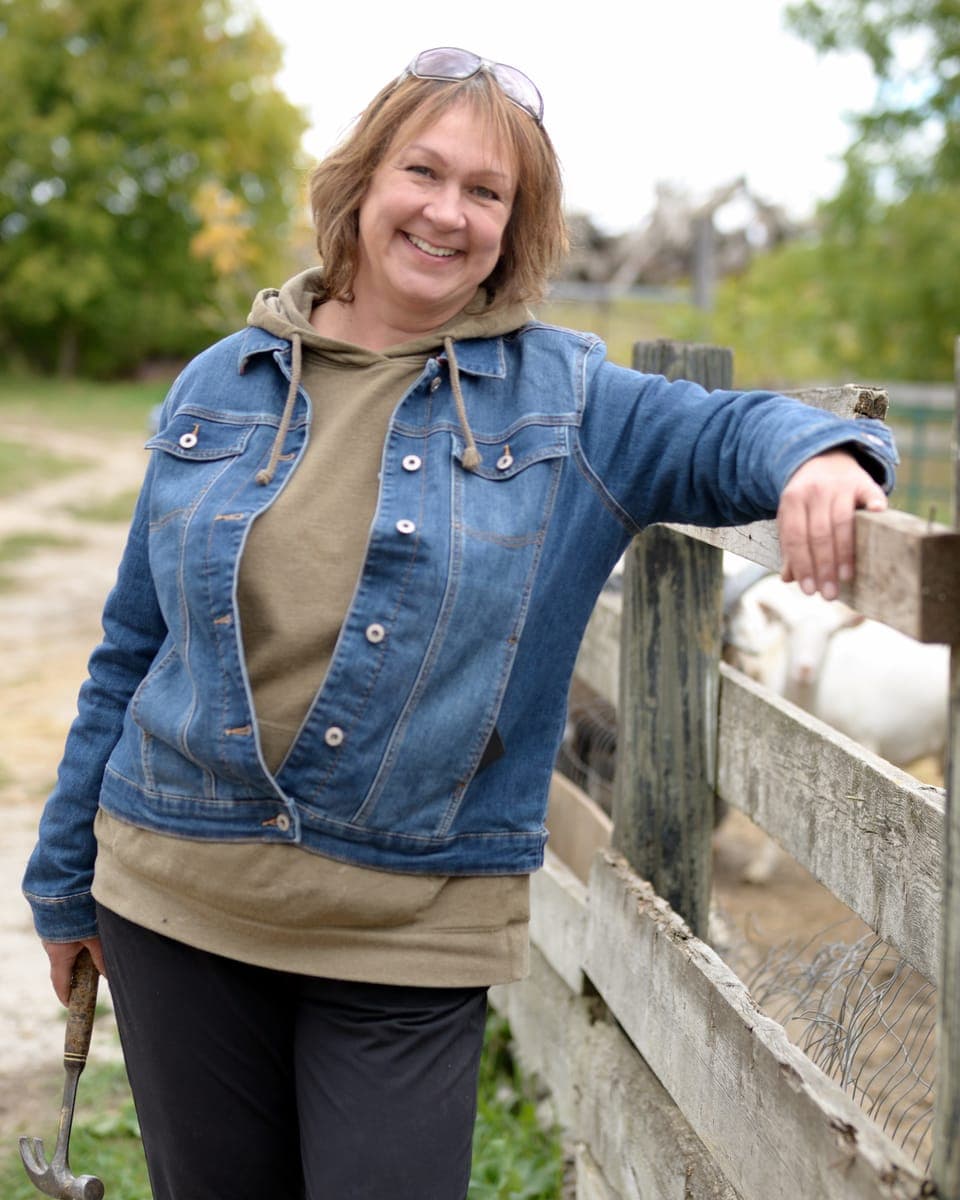
Tracee runs everything that gets the farm’s food from our fields to your table: the packing, the deliveries, the farm shop, and the promise that what arrives is exactly what we’d serve our own family.
Background video: Aerial flyover of the pastures and barns at 1876 Heritage Farms
Regenerative farming gets dressed up in a lot of language. Here is what it means in our fields: the cattle move, the grass rests, and the soil gets richer every year instead of poorer. We use no chemical fertilizers and no pesticides. We think of ourselves as stewards of this land, and we farm like it.
Our Black Angus cattle rotate through roughly thirty pastures. Through the growing season we gently move the herd to fresh grass every day, a calmer, more humane life than any feedlot. Each paddock is grazed hard and briefly, then rests and regrows for weeks before the herd sees it again. That rhythm mimics how grasslands evolved, and it does the quiet work: deeper roots, more organic matter in the soil, more water held through dry spells, more clover and birds and worms every season. Biodiversity above the ground, carbon drawn down beneath it, cleaner water leaving the land than arrived on it. Manure goes where it belongs, spread by the animals themselves.
Our beef is 100% grass-fed and grass-finished, pasture-raised, with no hormones and no antibiotics. No feedlots. The animals live outdoors on the land that feeds them, moved by us, at a walking pace, handled daily with kindness.
Restoring the soil is the whole point: healthy soil grows nutrient-rich grass, and nutrient-rich grass raises healthier animals and, we'd argue, healthier families at the table. We farm this way because it works. Well-raised, well-rested beef tastes like somewhere, not like anywhere. It's also the only way to hand the seventh generation better dirt than the sixth one got.
The cattle get the headlines, but the farm runs on more than beef.
Our laying hens are pasture-raised, moved regularly onto fresh ground behind the cattle rotation. They scratch, dust-bathe, and forage the way hens are built to. The eggs are gathered by hand and the yolks tell the story of the grass. Egg supply follows the seasons and the flock: when the hens slow down in a deep Ontario winter, so do we, and we'd rather sell out than ship an egg we wouldn't put on our own table.
The honey comes from hives at the edge of our own fields. It's raw and unpasteurized, extracted and strained, never cooked down or blended, so what's in the jar is what the bees made of this particular corner of Oro-Medonte that particular season. Colour and set vary year to year; that's the point.
The farm keeps growing the regenerative way: a creamery and sheep-milk products are coming soon.
Everything in the store follows one rule: it either came off this land, or it's made by people we know and would vouch for at our own gate. If a product page doesn't say where something came from, ask us, through the contact page or the assistant right here, and we'll tell you straight.
